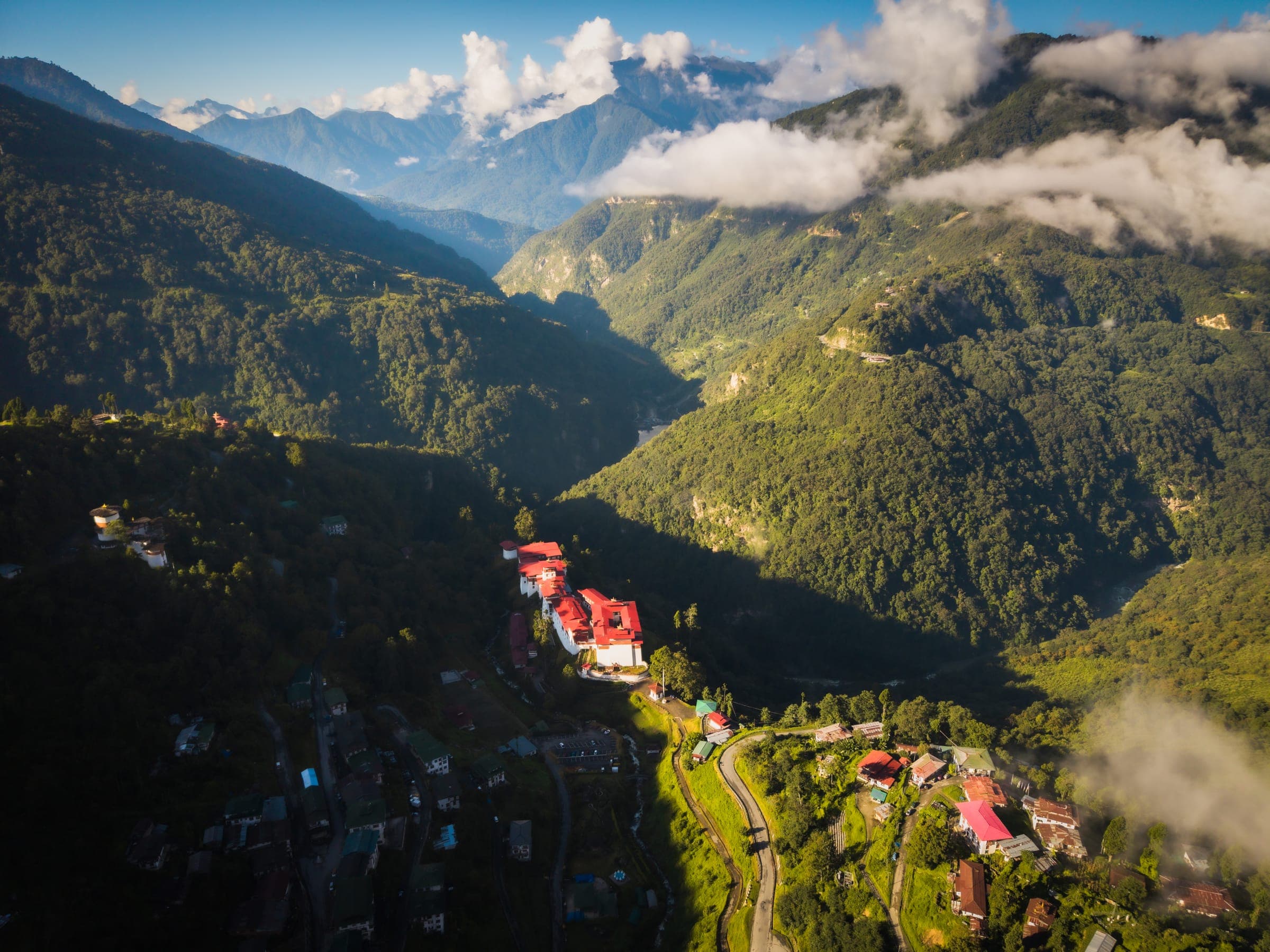
Bhutan's Bhutanese Farm house lifestyle Experience
Bhutan’s farmhouses offer a rich glimpse into culture and traditional Bhutanese village life, deeply connected to agriculture, spirituality, Natural and community. Life revolves around the seasons, vegetables, crops, livestock, family, and local festivals. Most farmhouses today blend tradition with modest modern comforts, but the core lifestyle remains authentic and rooted in Bhutanese culture.
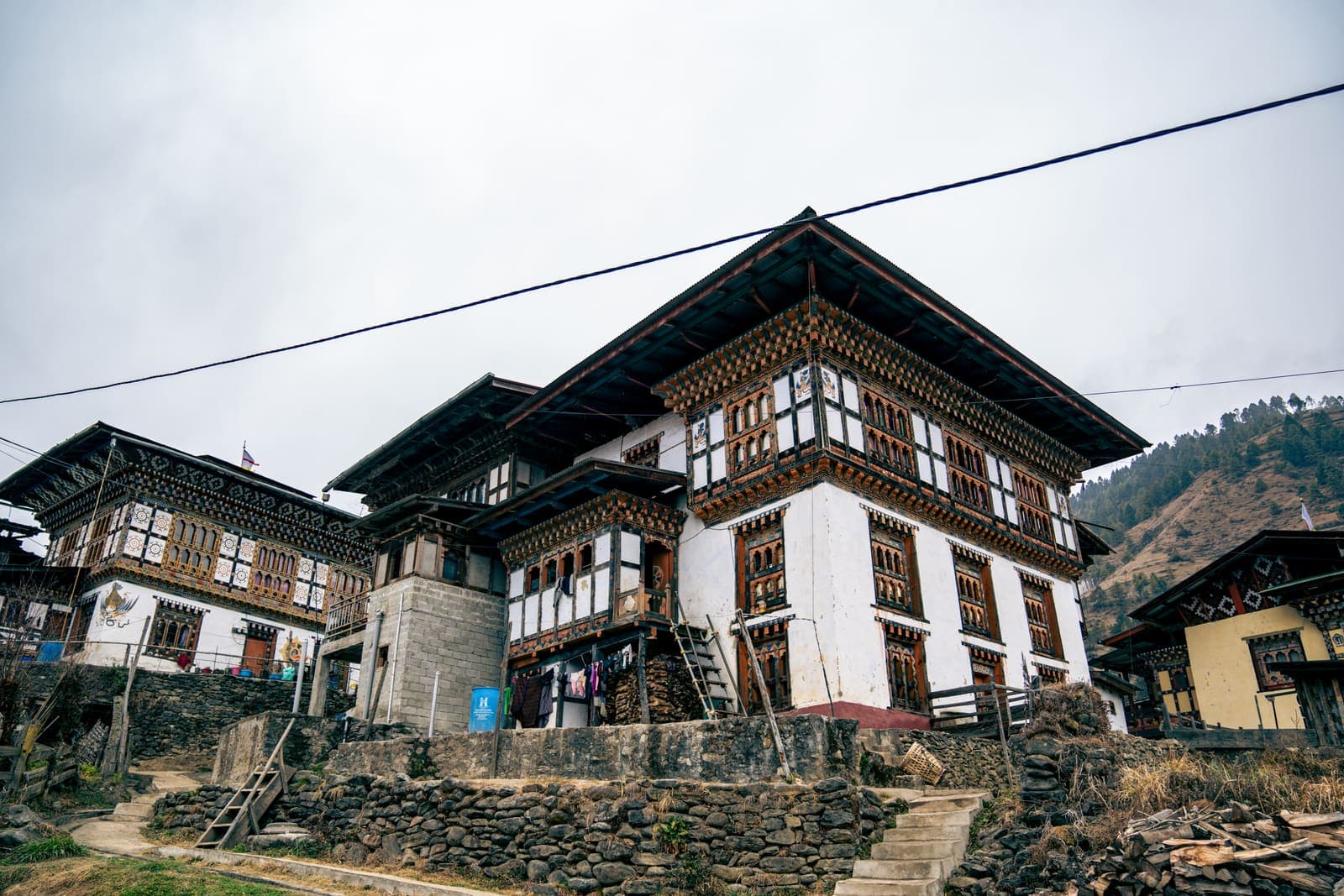
1. Traditional Architecture of Bhutanese Farmhouses today
Bhutanese farmhouses are unique and distinctive, following centuries-old architectural practices:
Structure & Materials
- Built using rammed earth, timber, stone, and mud.
- No nails used in traditional construction.
- Thick walls provide insulation in both winter and summer.
Layout
Bhutanese Farm usually has three stories:
- Ground Floor
- Storage for firewood, farming tools, hay.
- Sometimes shelter for livestock (especially in winter).
- First Floor
- Living areas: kitchen, family room, bedrooms.
- Kitchen is the warmest and most important space in the house.
- Top Floor (Loft)
- Used for drying chilies, storing grains, textiles.
- Sometimes used to store compost or hay.
Bhutanese Altars (Choesham)
Every farmhouse has a sacred altar room, often on the top floor.
Used for:
- prayers
- rituals
- receiving monks for blessings
2. Bhutanese farmhouse Daily Life & Routines
Morning
- Feeding livestock (cows, yaks, chickens).
- Preparing breakfast (rice, tea, buckwheat pancakes).
- Milking cattle.
- Lighting the kitchen stove (bukhari).
Daytime Work
- Farming activities depending on the month:
- Planting rice, wheat, potatoes
- Weeding paddy fields
- Harvesting crops
- Collecting firewood
- Preparing compost
- Women tend to household and farm tasks; men often handle heavier work, though roles overlap.
Evening
- Family gathers in the kitchen.
- Dinner is cooked on traditional mud stoves.
- Social conversations and small ceremonies (lighting butter lamps).
3. Agriculture & Farming Practices
Bhutanese farming is largely organic, using traditional knowledge passed down generations to Bhutanese.
Main Crops
- Rice (red rice is famous)
- Maize
- Buckwheat (in Bumthang)
- Potatoes
- Barley, turnips, spinach
- Chilies — Bhutan’s essential ingredient
Livestock
- Cows (for milk, cheese, butter)
- Yaks in highland regions (Haa, Bumthang, Laya)
- Chickens
- Horses or mules for transport
- Ship
4. Food & Cuisine in a Farmhouse
Bhutan’s Bhutanese farmhouse meal is simple and clean but hearty.
Common Dishes
- Ema Datshi – chili and cheese stew
- Kewa Datshi – potato and cheese
- Shakam Paa – dried beef with chilies
- Hoentoe – buckwheat dumplings (Haa)
- Puta – buckwheat noodles (Bumthang)
- Shikam Paa – dried pork with chilies
Beverages
- Suja (butter tea)
- Ara – homemade rice or barley alcohol
- Milk tea, herbal teas
- Chang – homemade by rice, millet and wheat
Bhutan’s Bhutanese Farmhouse Dinner Experience for Visitors or Tourist to Bhutan
- Eating with the family
- Sitting on the floor around a low table
- Food cooked over a wood-fired stove
5. Hot-Stone Bath Tradition
Most farmhouses offer traditional Bhutanese hot stone baths:
- Smooth river stones are heated in a fire.
- Hot stones are added into a wooden tub.
- Herbs like wormwood (khamar) are added.
- Believed to relieve aches, improve circulation, and detox the body.
6. Social Life & Family Structure
Typical Characteristics
- Three generations often live together.
- Strong family bonds and collective decision-making.
- Neighbours help each other with farming tasks.
- Hospitality is highly valued — guests are warmly welcomed.
Marriage Customs
- Traditional customs like Nangchang (groom enters bride’s home) still exist.
- Women often inherit the family home.
7. Bhutan’s Bhutanese Festivals & Rituals in Farm Life
Local Festivals
Villages celebrate:
- Lomba (in Haa/Bumthang – farmer’s new year)
- Buli Mani, Chökhor, and other regional festivals
- Archery matches during celebrations
Household Rituals
- Annual home blessing by monks
- Lighting butter lamps (choe-mey)
- Rituals to protect crops and ensure good harvest
8. Bhutan’s Bhutanese Crafts & Traditional Work
Farmhouse life includes craft-making:
- Weaving (women often weave yak wool or sheep wool)
- Basket making, wood carving, traditional tools
- Making cheese (Datshi) and butter
9. What Visitors can Experience in a Farmhouse Stay in Bhutan.
Activities you may participate in:
- Farming (planting/harvesting)
- Feeding livestock
- Milking cows
- Learning to cook Bhutanese dishes
- Hot stone bath
- Weaving demonstration
- Traditional games (archery, khuru)
- Village walks and cultural tours
- Interacting with the host family
Accommodations
- Simple rooms with comfortable bedding
- Traditional wooden interiors
- Shared or private toilet depending on farmhouse
- Local organic meals included
10. Bhutan’s Regional Differences in Farmhouse Life in Bhutan
a. Western Bhutan (Paro, Haa, Punakha)
- Rice and chili farming
- Larger farmhouses
- Haa known for yak and buckwheat culture
b. Central Bhutan (Trongsa and Bumthang)
- Buckwheat, potatoes, dairy
- Distinct buckwheat cuisine (puta, khuli)
- Many weaving traditions
c. Eastern Bhutan (Trashigang, Mongar, Lhuentse)
- Maize-based farming
- More remote, traditional lifestyle
- Textile weaving (kishuthara)
d. Highland Nomadic Areas (Laya, Lunana)
- Yak herding
- Seasonal migration with animals
- Unique Layap culture
Have a question about your trip?
Our Thimphu team replies within 24 hours, usually the same day.