Bhutan Himalayan Trekking information
Bhutan Best trekking seasons
For many high-altitude routes, the principal trekking windows are spring (roughly March–June) and autumn (roughly September/October–November), although the ideal period varies considerably by route and altitude for Bhutan Tour and Trekking. With High-altitude Bhutan treks require careful planning because weather, snow and pass conditions can change rapidly with different seasons and the trekking arrangements, guides, permits and support requirements should be confirmed for the specific route before departure of your Bhutan Trekking Tour.
About Bhutan Trekking
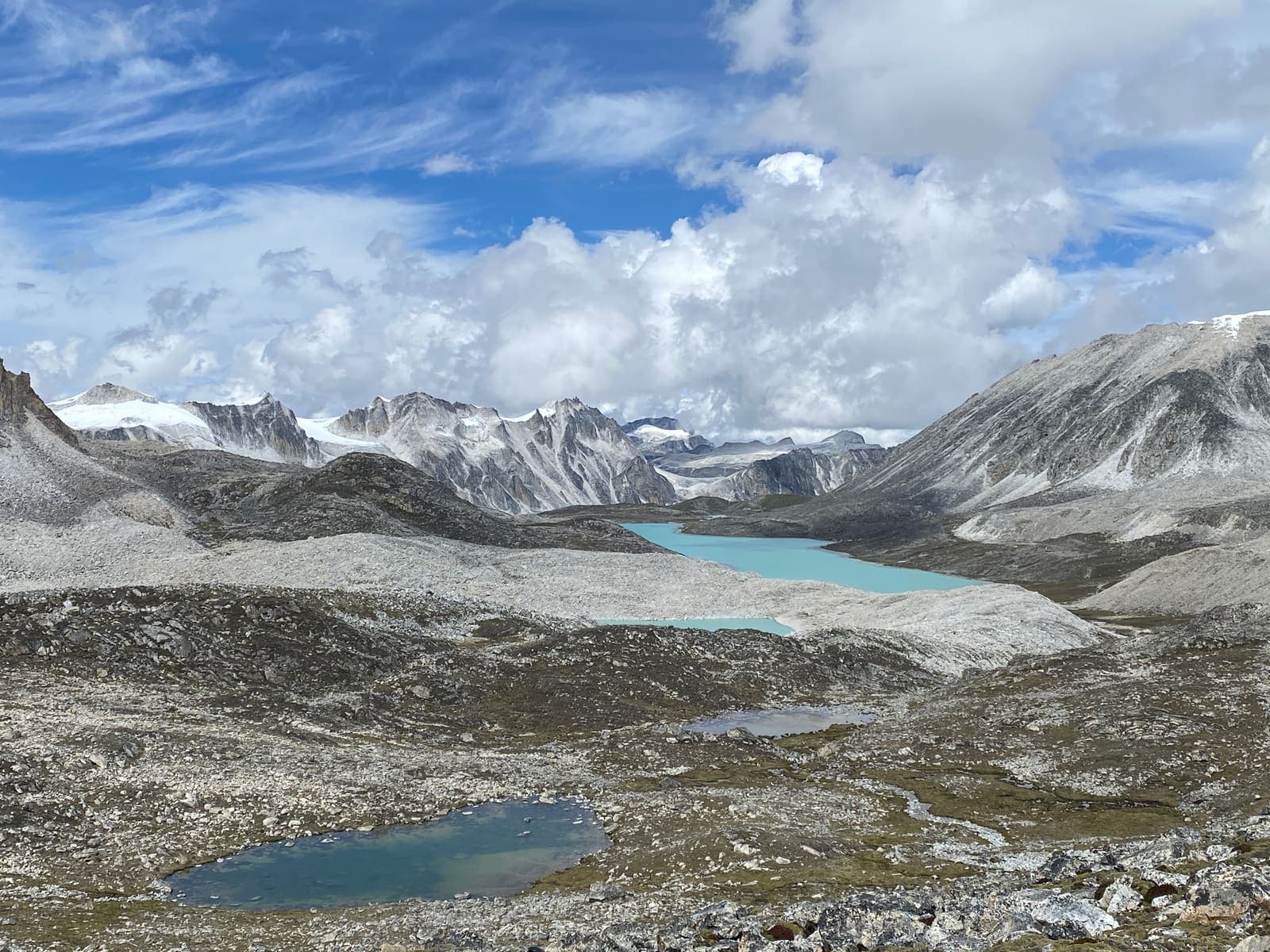
With the likes of trail that takes you right at the foot of worlds’ tallest unconquered mountain (Gangkar Puensum 7550m), trekking in Bhutan will give you a new experience never like before. With more than 70 percent of the country covered by undisturbed wilderness, trekking in Bhutan will take you ever closer to the nature. These trekking trails once used by famous Buddhist saints like Guru Rinpoche (who introduced Buddhism in Bhutan) in 746 AD while visiting Bhutan from Nepal and Zhabdrung Ngawang Namgyal (the unifier of modern Bhutan) in 1616 while fleeing Tibet for a political dispute, this routes are the genuine routes where Bhutanese people still use it today.
The best season to Bhutan trek on different trails in Bhutan are mentioned below:
- Bumdra Trek- February, March, April, May, September, October, November and December. However, one can trek year-round despite any season on this trail.
- Gangtey Trek- March, April, May, September, October, November and December.
- Samtengang Trek- January, February, March, April, May, September, October, November and December. It’s doable all year round despite any season.
- Bumthang Owl Trek- March, April, May, September, October, November and December.
- Bumthang Cultural Trek- March, April, May, September, October, November and December.
- Sagala Trek - March, April, May, September, October, November and December.
- Sinchula Trek- March, April, May, September, October, November and December.
- Druk Path Trek- March, April, May, September, October, November and December. It’s Doable all year round despite its best seasons.
- Dagala Thousands Lake Trek- March, April, May, September, October, November and December. Despite the best season, one can trek year-round on this trail.
- Jomolhari Trek- March, April, May, September, October and November.
- Laya Gasa Trek- March, April, May, September, October and November.
- Gangkar Puensum base camp trek- One can trek on this route from mid June to October but the best recommended month for this trek is October.
- Snowmen Trek I- One can trek on this route from mid-June to October but the best recommended month for this trek is October.
- Snowmen Trek II- One can trek on this route from mid-June to October but the best recommended month for this trek is October.
Different grading Bhutan trekking routes in Bhutan can be graded into four categories; easy, moderate, difficult and very difficult.
1. Easy
- Bumdra Trek
- Gantey Trek
- Samtengang Trek
- Bumthang owl Trek
- Bumthang Cultural Trek
- Sagala Trek
- Sinchula trek
2. Moderate
- Druk Path Trek
- Dagala Lake view Trek
3. Difficult
- Jomolhari Trek
- Laya Gasa Trek
4. Very Difficult
- Gangkar Puensum base camp Trek
- Snowmen Trek I
- Snowmen Trek II
What to Know About Trekking in Bhutan during your Bhutan Travel and Tour?
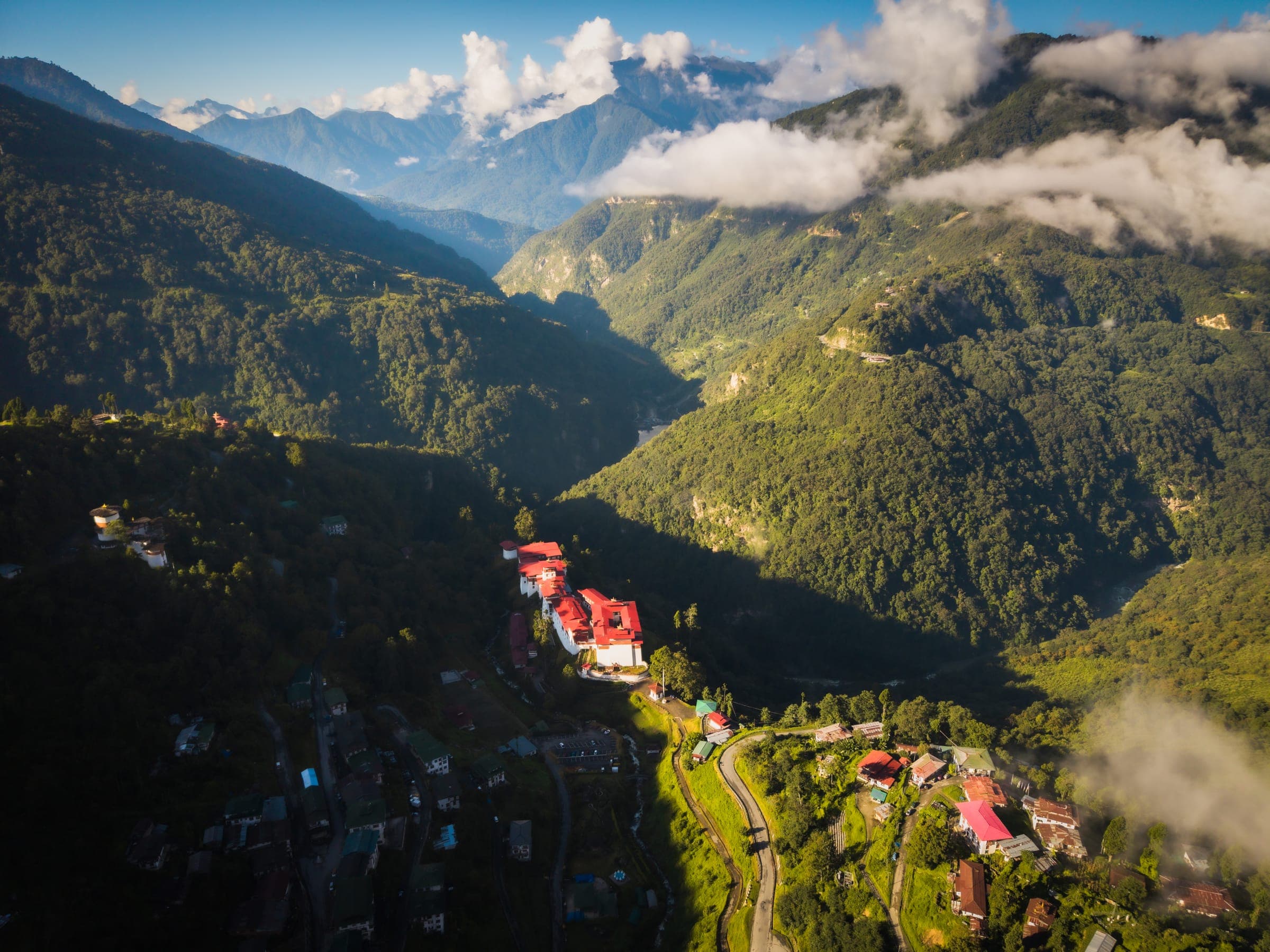
Bhutan trekking is a combination of Himalayan scenery, remote villages, Buddhist culture, forests view, alpine meadows, and high mountain passes. Before planning a trek, there are several important things to know about Bhutan Trek.
1. Bhutan Trekking difficult varies greatly
Bhutan has treks suitable for different experience levels:
- Easy–moderate: Bumdra Trek and shorter cultural hikes
- Moderate: Druk Path and Dagala Thousand Lakes
- Moderate–strenuous: Jomolhari
- Strenuous: Laya–Gasa
- Very strenuous: Snowman Trek
Don't judge a trek only by its distance. Altitude, steep ascents, remote camps and weather can make a relatively short Bhutan trek challenging.
2. Bhutan Altitude is a major consideration during Bhutan Trekking Travel
Many classic Bhutan treks go above 3,500–4,500 meters, and some reach above 5,000 meters. Allow yourself time to adjust after arriving in Bhutan, stay hydrated, walk at a steady pace, and don't ignore symptoms of altitude sickness during Bhutan Travel and Trekking.
3. Choose the right season for Bhutan Trekking Tour
The most popular trekking periods in Bhutan are generally:
- Spring: March–May/June — pleasant temperatures, blooming rhododendrons and good mountain scenery.
- Autumn: September/October–November — generally clear Himalayan views and excellent trekking conditions.
- Summer/monsoon: Rain can make lower trails wet and muddy, while cloud can obscure mountain views.
- Winter: Snow and cold can make many high-altitude routes impractical.
4. A guide and proper arrangements are important during your Bhutan Trekking Tour
- For Bhutan's established trekking routes, trekking is normally arranged through Bhutan's regulated tourism system, with appropriate guides, permits and logistics. A trekking package may include accommodation, meals, transportation, camping equipment and a support crew depending on the itinerary.
5. Be prepared for basic conditions during your Bhutan Trekking Tour
On remote treks, don't expect hotels or reliable road access. You may stay in:
- Tented camps Trek
- Simple lodges or homestays
- Remote villages Trek
- Monastic or community facilities on some routes Treks
6. Pack for changing weather during your Bhutan Trekking Tour
A good Bhutan trekking packing list should include:
- Waterproof hiking boots
- Warm layers and thermal clothing
- Waterproof jacket and trousers
- Warm sleeping bag
- Hat, gloves and sunglasses
- Sunscreen and lip balm
- Headlamp
- Water bottle/hydration system
- Personal first-aid supplies
- Trekking poles
- Backpack and waterproof pack covers
- Portable power bank
- Personal medications
7. Respect Bhutanese culture and nature during Bhutan Trekking
Many trails pass through villages, temples, monasteries and sacred landscapes.
- Dress respectfully around religious sites.
- Ask before photographing people.
- Follow local instructions at monasteries and temples.
- Don't disturb prayer flags, religious objects or wildlife.
- Carry rubbish out with you.
- Avoid single-use plastics where possible.
8. Wildlife is part of the experience during Bhutan Trekking
- Bhutan's trekking routes pass through protected areas such as Jigme Dorji National Park and other important Himalayan ecosystems. You may encounter birds, Himalayan mammals and occasionally signs of larger wildlife. Seeing wildlife isn't guaranteed, so appreciate the landscape and ecosystem rather than treating the trek as a wildlife safari.
9. Don't underestimate the Snowman Trek During Bhutan Trek
- The Snowman Trek is in a completely different category from a short cultural hike. Its combination of length, altitude, multiple high passes, remoteness and unpredictable weather makes it suitable only for highly experienced and well-prepared trekkers. For most visitors wanting a classic Bhutan trekking experience, Druk Path or Jomolhari is a more practical choice for Bhutan Trekking.
10. Build flexibility into your itinerary for Bhutan Trekking
- Bhutan Mountain weather can cause delays. Don't schedule your international departure immediately after a demanding trek if you can avoid it. Having an extra day or two in your itinerary can make the trip much less stressful for Bhutan Trekking Tour and Travel.
Have a question about your trip?
Our Thimphu team replies within 24 hours, usually the same day.